
Rats and mice keep out of sight, and many homeowners only find out after the pests have been living there for a while. Spotting early signs gives you a real head start.
Seven signs to look for
- Scratching, scampering or squeaking in walls, ceilings or under floors, especially at night
- Droppings, about the size of a grain of rice for mice and around 10mm for rats
- Chewed timber, pipes, cables and food packets
- Greasy rub marks along skirting boards
- Shredded paper, card or fabric gathered into a nest
- A musty, ammonia-like smell in closed spaces
- A pet fixated on one wall or cupboard
Rat or mouse?
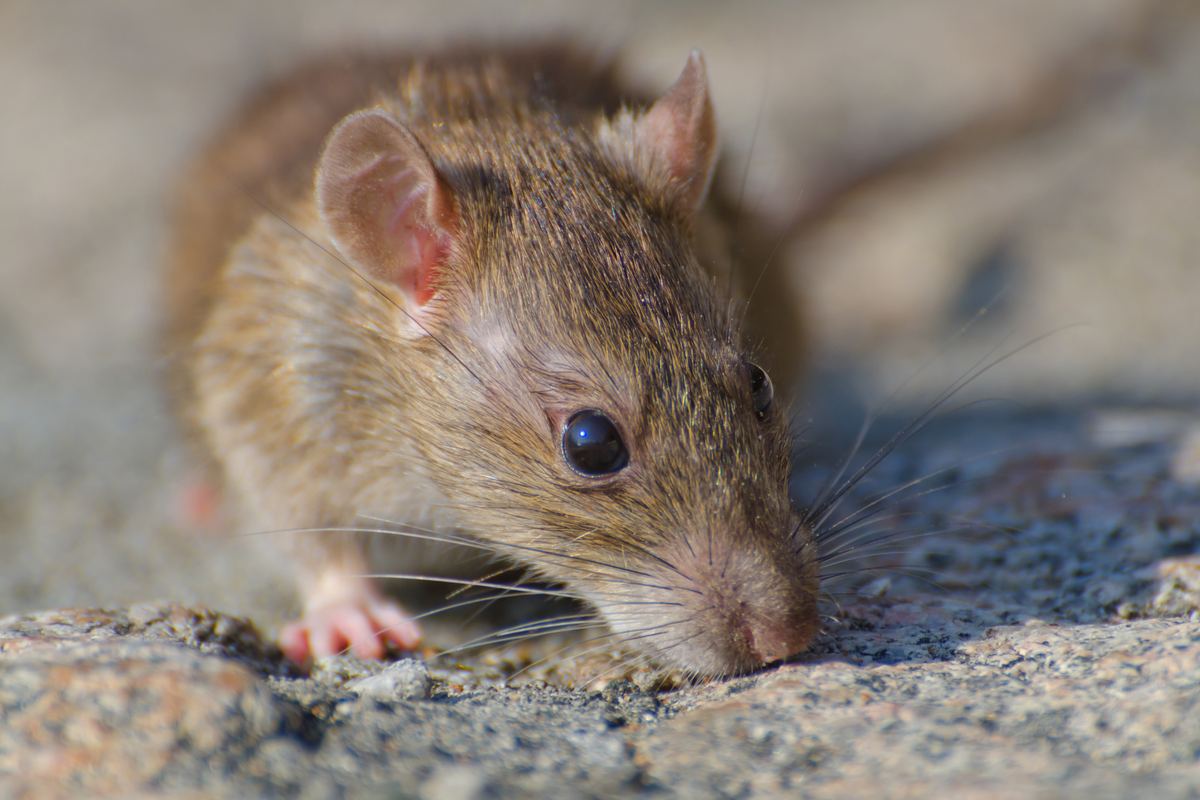
Size is the easiest clue. Mice are small with large ears and thin tails and can fit through a gap of about 6mm. Rats are bigger and heavier with blunt noses and thick tails, and they gnaw harder.
Why rodents matter
- Droppings and urine can contaminate food and spread bacteria such as salmonella
- Rats can carry leptospirosis, which can reach people through contaminated water or surfaces
- Chewed electrical cables are a real fire risk
- Damaged insulation and pipework lead to costly repairs
- Dust from dried droppings can trigger allergies and asthma
Rodents also breed quickly. A female mouse can have several litters a year, so a pair can become a colony within months.
What to do first
- Never handle droppings with bare hands
- Wear gloves, dampen droppings and wipe them up rather than sweeping or vacuuming them dry
- Wash your hands well afterwards
- Store food in sealed containers and clear crumbs
- Do not block holes until you know whether animals are inside
When to call a professional
One sighting may be a passing visitor, but fresh droppings, repeated noises or damage mean the pests have moved in. Our technicians find how they are getting in, treat the problem safely and advise on proofing. See our rat and mouse control in Ascot and our checklist for keeping rodents outside.